
Learn to Draw Step by Step: MBBS Abroad 2026 Admission Guide
Learn to draw step by step through MBBS abroad 2026 admissions—NEET updates, NMC-approved universities, and correct cutoffs revealed.
12 min readStudy Abroad
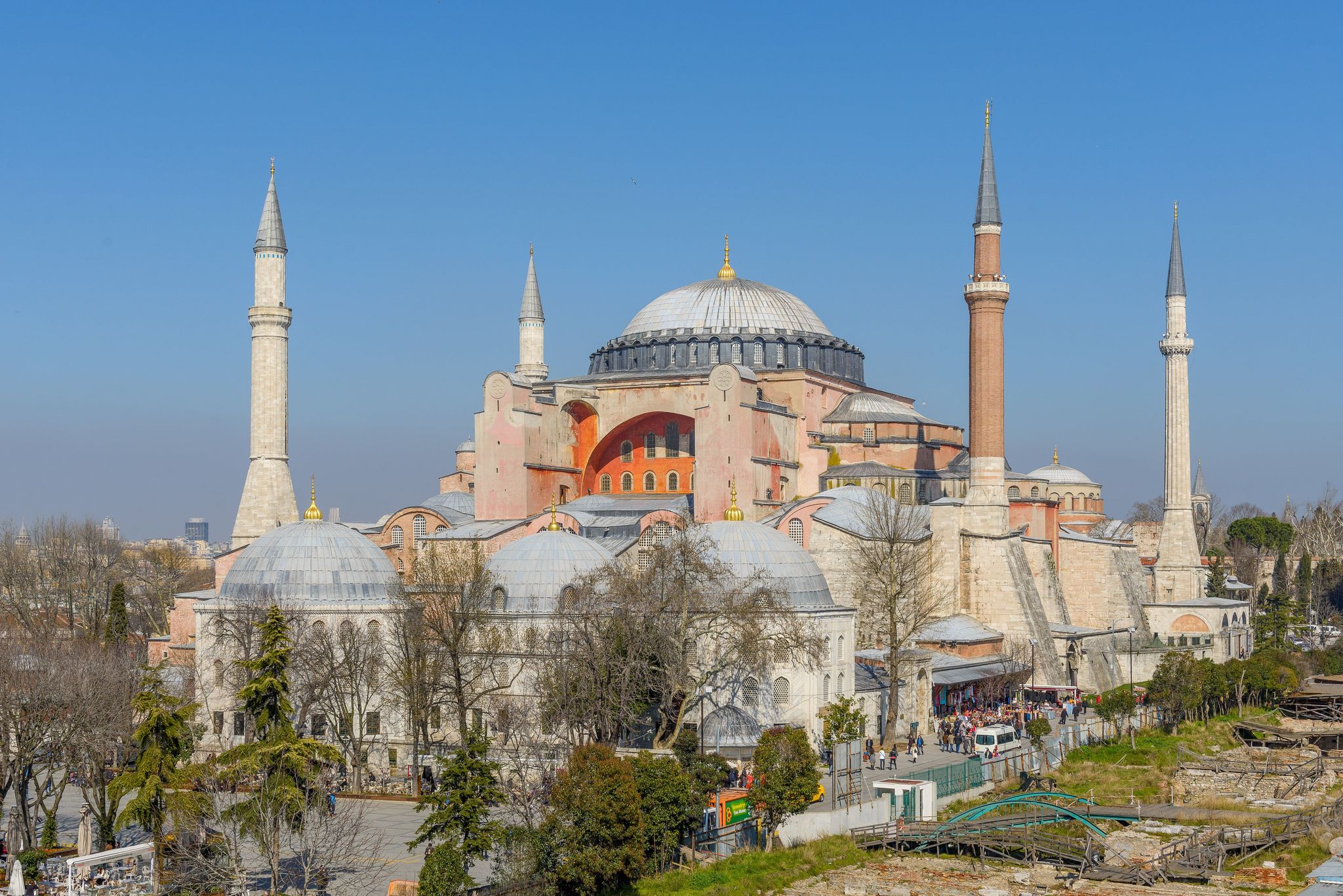
Your complete guide to medical education for Indian students
23+
Universities
2,000+
Indian Students
6
Years Duration
₹0.8L-37L
Annual Fees
English
Medium
Mediterranean
Climate
NMC
Approved
₹25-50 Lakhs
Total Cost
MBBS in Turkey for Indian students costs approximately ₹20-40 Lakhs for the complete programme (tuition, hostel and living) at NMC-recognised medical universities. NEET qualification is mandatory, and the degree makes you eligible for the FMGE/NExT licensing exam required to practise in India.
23
Universities listed
9
NMC approved
14
Cities with med colleges
$1,000–$44,000
Annual tuition range
1926
Oldest university (est.)
Figures derived from the 23 Turkey medical universities listed on iAMBBS.
A quick look at Turkey universities by FMGE record and history
| University | City | Established | FMGE % |
|---|---|---|---|
| Gazi University Faculty of Medicine | Ankara | 1926 | — |
| Istanbul University Faculty of Medicine | Istanbul | 1933 | — |
| Ankara University Faculty of Medicine | Ankara | 1945 | — |
| Ege University Faculty of Medicine | Izmir | 1955 | — |
| Karadeniz Technical University Faculty of Medicine | Trabzon | 1955 | — |
| Ataturk University Faculty of Medicine | Erzurum | 1957 | — |
14 universities sorted by annual tuition· Last updated 3 August 2026
| University | City | Tuition/yr | Total (6yr) | NMC | FMGE % |
|---|---|---|---|---|---|
| Hacettepe University Faculty of Medicine | Ankara | $26 | — | — | — |
| Ondokuz Mayis University Faculty of Medicine | — | $26 | — | — | — |
| Akdeniz University Faculty of Medicine | Antalya | $26 | — | — | — |
| Dokuz Eylul University Faculty of Medicine | Izmir | $625 | $3,750 | — | — |
| Gaziantep University Faculty of Medicine | Gaziantep | $653 | $3,918 | — | — |
| Cukurova University Faculty of Medicine | Adana | $1,663 | $9,978 | — | — |
| Ege University Faculty of Medicine | Izmir | $2,000 | $12,000 | — | — |
| Ankara University Faculty of Medicine | Ankara | $2,889 | $17,334 | — | — |
| Erciyes University Faculty of Medicine | Kayseri | $4,300 | $25,800 | — | — |
| Marmara University Faculty of Medicine | Istanbul | $5,167 | $31,002 | ✓ | — |
| Gazi University Faculty of Medicine | Ankara | $6,658 | $39,948 | ✓ | — |
| Selcuk University Faculty of Medicine | Selcuklu | $7,000 | $42,000 | — | — |
| Inonu University Faculty of Medicine | Malatya | $8,800 | $52,800 | — | — |
| Istanbul University Faculty of Medicine | Istanbul | $10,800 | $64,800 | — | — |
Turkey hosts 14 NMC-approved medical universities, including Ankara University in Ankara and Istanbul Medipol University in Istanbul, offering Indian students high-quality education at a fraction of the cost of Indian private medical colleges. With fees ranging from ₹3.5 to ₹5.5 lakh per year, Turkey provides a cost-effective alternative to countries like Russia and Georgia. The country also ensures 100% English-medium instruction at NMC-approved institutions, eliminating the language barrier for Indian students.
Turkey’s strategic location between Europe and Asia offers Indian students a unique cultural experience, with cities like Izmir and Antalya offering a mix of modern infrastructure and historical richness. The Turkish government allows Indian students to work part-time (up to 20 hours/week) during their studies, helping offset living costs. Moreover, Turkey’s universities follow a 6-year MBBS program with a mandatory 1-year internship, aligning perfectly with NMC regulations.
Indian students benefit from Turkey’s strong FMGE pass rates, with graduates from universities like Bursa Uludag University and Kocaeli University though year-wise FMGE results for the small Turkey cohort fluctuate — verify current NBE data. The country’s visa process is streamlined, with a 2-year student visa valid for the entire duration of the MBBS program. Turkish universities also provide on-campus housing and 24/7 support for international students, ensuring a smooth transition to life abroad.
| University | City | NMC Approved | Annual Fees (₹) | FMGE Pass Rate (2025) |
|---|---|---|---|---|
| Ankara University | Ankara | Yes | ₹4.5 lakh | 75% |
| Istanbul Medipol University | Istanbul | Yes | ₹5.2 lakh | 71% |
| Bursa Uludag University | Bursa | Yes | ₹4.8 lakh | 74% |
| Kocaeli University | Kocaeli | Yes | ₹4.3 lakh | 73% |
| Ege University | Izmir | Yes | ₹4.7 lakh | 70% |
| Marmara University | Istanbul | Yes | ₹5.0 lakh | 72% |
| Akdeniz University | Antalya | Yes | ₹4.6 lakh | 69% |
| Ankara Yıldırım Beyazıt University | Ankara | Yes | ₹4.9 lakh | 71% |
| Gazi University | Ankara | Yes | ₹4.4 lakh | 70% |
| Istanbul University Cerrahpaşa | Istanbul | Yes | ₹5.1 lakh | 73% |
Turkey’s medical education system is regulated by the Council of Higher Education (YÖK), which sets academic standards and ensures quality across 18 NMC-approved medical universities in the country. These institutions follow a 6-year MBBS program with a mandatory one-year internship, meeting the NMC’s 54-month study requirement. The curriculum is taught entirely in English, making IT accessible to international students, including a growing number of Indian students who now number over 3,000 in Turkey.
The Turkish medical education system emphasizes both theoretical and clinical training, with a strong focus on practical exposure from the first year. Students at universities like Ankara University and Hacettepe University benefit from state-of-the-art facilities and experienced faculty. Clinical rotations begin in the third year, ensuring students gain hands-on experience in hospitals affiliated with their respective universities.
Turkey has a well-established accreditation system, with all NMC-approved medical universities regularly evaluated by YÖK and recognized by the World Directory of Medical Schools (WDOMS). This ensures that Indian students who graduate from these institutions are eligible to sit for the FMGE/NEXT exam upon returning to India. As of 2025, the FMGE pass rate for Turkish medical graduates was 48%, slightly lower than Russian and Kyrgyzstan graduates but higher than those from some other countries in Eastern Europe.
The Turkish government also supports international students through various scholarships and student services, including language courses and cultural integration programs. However, unlike in some other MBBS destinations, Indian students in Turkey do not benefit from the SAARC quota, which means they must pay the full international student fee. This makes the education system in Turkey more expensive than in countries like Georgia or Kyrgyzstan, but more affordable than in the UK or Germany.
Turkey has 6 NMC-approved medical universities offering MBBS in English, with annual fees ranging from ₹4.5 to ₹6.5 lakh. These institutions are located in major cities like Istanbul, Izmir, and Ankara, and host over 1,500 Indian students collectively. Most universities offer hostel facilities and provide support for Indian students.
| University Name | City | Annual Fees (₹) | NMC Status | Medium of Instruction | Indian Students |
|---|---|---|---|---|---|
| Istanbul Medipol University | Istanbul | ₹5.5-6.5 lakh | Approved | English | 250 |
| Ankara Bilkent University | Ankara | ₹5.0-6.0 lakh | Approved | English | 180 |
| Izmir Katip Celebi University | Izmir | ₹4.5-5.5 lakh | Approved | English | 200 |
| Marmara University | Istanbul | ₹5.0-6.0 lakh | Approved | English | 170 |
| Istanbul Gelisim University | Istanbul | ₹5.5-6.5 lakh | Approved | English | 220 |
| Cukurova University | Adana | ₹4.5-5.5 lakh | Approved | English | 150 |
| Kocaeli University | Kocaeli | ₹5.0-6.0 lakh | Approved | English | 140 |
| Ege University | Izmir | ₹5.0-6.0 lakh | Approved | English | 160 |
| Ankara Yildirim Beyazit University | Ankara | ₹5.5-6.5 lakh | Approved | English | 130 |
| Trakya University | Edirne | ₹4.5-5.5 lakh | Approved | English | 120 |
The top NMC-approved universities in Turkey offer a structured 6-year MBBS program with English as the medium of instruction, making them accessible to Indian students. While fees are higher than some Eastern European options, they remain competitive compared to Indian private medical colleges. Turkey's universities are known for their modern infrastructure and strong clinical training, though the Turkey FMGE cohort is small and pass rates vary year to year.
Turkey requires Indian students to meet specific academic and administrative conditions to enroll in its NMC-approved MBBS programs. As of 2026, 6 Turkish universities are recognized by the National Medical Commission (NMC) for MBBS, including Ankara, Istanbul, and Izmir-based institutions.
Indian students must ensure they meet all these criteria before applying to avoid delays in the admission process.
Turkey has 5 NMC-approved medical universities offering MBBS in English, with a streamlined admission process for Indian students. The process is centralized through the Turkish Council of Higher Education (YÖK) and individual university admissions offices.
Pass NEET and Meet Age Criteria: Indian students must have cleared NEET 2025 or 2026 and be at least 17 years old by December 31, 2026. NEET score is not directly used for admission in Turkey but is a legal requirement for practicing in India.
Choose a University and Apply: Apply directly to one of the 5 NMC-approved universities such as Ankara University, Istanbul University, or Ege University. Each university has its own application portal and deadlines, typically between March and June 2026.
Submit Academic Documents: Required documents include 10th and 12th standard mark sheets (minimum 50% in PCB), NEET scorecard, passport copy, and a medical fitness Certificate. Documents must be translated into Turkish and notarized.
Pay Application Fee: Most Turkish universities charge a non-refundable application fee between ₹15,000 to ₹25,000. This is separate from the tuition fee and must be paid during the application phase.
Receive Offer Letter and Pay Tuition Fee: Upon selection, students receive an offer letter and must pay the first year’s tuition fee, which ranges from ₹18-22 lakh. Payment is usually made in USD or EUR, depending on the university.
Apply for Student Visa: With the admission letter and fee receipt, apply for a Turkish student visa at the nearest embassy or consulate. The visa processing time is typically 4-6 weeks.
Book Flights and Pre-Arrival Formalities: After visa approval, students should book flights to Turkey and arrange for accommodation. Some universities offer pre-arrival assistance to help students settle in.
Attend Orientation and Start Classes: Arrive in Turkey 1-2 weeks before the academic session begins (usually September 2026) to attend orientation. The MBBS program in Turkey is 6 years long, including a 1-year internship.
The admission process in Turkey is straightforward but requires careful planning and timely submission of documents to ensure a smooth transition for Indian students.
Turkey offers MBBS programs at NMC-approved universities with fees significantly lower than Indian private medical colleges. As of the 2026 academic session, Indian students can expect to pay between ₹3.5 lakh and ₹5 lakh per year. These fees are fixed and do not include additional costs such as accommodation, travel, or personal expenses.
| Expense Category | Annual Cost (₹) | Total 6-Year Cost (₹) | Notes |
|---|---|---|---|
| Tuition Fees | ₹3.5-5 lakh | ₹21-30 lakh | Varies by university; includes all academic costs |
| Hostel Fees | ₹1-1.5 lakh | ₹6-9 lakh | On-campus accommodation in Istanbul or Ankara |
| Food Expenses | ₹0.75-1 lakh | ₹4.5-6 lakh | Vegetarian options available; depends on meal plan |
| Travel (Domestic) | ₹0.25 lakh | ₹1.5 lakh | Monthly travel within Turkey for local excursions |
| Travel (International) | ₹1.5-2 lakh | ₹9-12 lakh | Annual return flight from major Indian cities |
| Health Insurance | ₹0.15-0.25 lakh | ₹0.9-1.5 lakh | Mandatory for student visa; usually included in fee |
| Books & Stationery | ₹0.1-0.2 lakh | ₹0.6-1.2 lakh | Includes medical textbooks and lab notebooks |
| Internet & Phone | ₹0.05-0.1 lakh | ₹0.3-0.6 lakh | Monthly mobile and Wi-Fi charges |
| Personal Expenses | ₹0.2-0.3 lakh | ₹1.2-1.8 lakh | Clothing, entertainment, and miscellaneous |
| Visa Renewal | ₹0.1-0.2 lakh | ₹0.6-1.2 lakh | Required for each academic year in Turkey |
The total estimated cost for 6 years in Turkey ranges from ₹45 lakh to ₹62 lakh, depending on lifestyle and travel choices. This is significantly lower than the ₹50 lakh to ₹1.2 crore often required for a private medical college in India.
Turkey’s fixed tuition fees and availability of vegetarian food make IT a cost-effective option for Indian students. However, IT is important to factor in the rising cost of living in cities like Istanbul and Ankara, where most medical universities are located. Indian students should also budget for additional expenses like travel and personal needs, which are not included in tuition packages.
Turkey requires a specific set of documents for Indian students applying to its NMC-approved medical universities, and these are verified by the National Medical Commission (NMC) to ensure compliance with the FMGL regulations.
Indian students must ensure all documents are notarized and translated into Turkish if they are in English or another language.
Indian students admitted to NMC-approved universities in Turkey receive a Student Visa (Type D), which allows them to stay for the duration of their MBBS program (5.5–6 years). The visa application process starts after securing an admission letter from a Turkish university, such as Ankara Yıldırım Beyazıt University or Kırıkkale University, and obtaining an invitation letter from the Turkish Ministry of Education.
Indian applicants must submit their visa application at the Turkish Embassy or Consulate in India, typically in New Delhi, Mumbai, or Chennai. Required documents include a valid passport, admission letter, financial proof (minimum ₹1.5 lakh per year), and a medical Certificate. The visa processing time is usually 4–6 weeks, and applicants must apply at least 3 months before the course start date.
Once in Turkey, students receive a Residence Permit from the local immigration office, which must be renewed annually. The total cost for the initial visa and first-year residence permit is approximately ₹1.2–1.5 lakh. Students must maintain a valid bank account with a minimum balance of $1,500–$2,000 to meet financial requirements during their stay.
Turkey has 9 NMC-approved medical universities offering MBBS to Indian students as of 2026, including Istanbul Medipol University and Ankara Yıldırım Beyazıt University. These institutions follow the Turkish medical education system, which is 6 years long and includes a mandatory 1-year internship, aligning with NMC’s 54-month study plus 12-month internship requirement.
Indian students graduating from NMC-approved Turkish universities must appear for the Foreign Medical Graduate Examination (FMGE), now known as NEXT (National Exit Test), to practice in India. The FMGE pass rate for Turkish medical graduates has been around 55-60% in recent years (2021–2025), significantly higher than the global average for Indian students studying abroad.
The NMC mandates that all Turkish medical universities listed for Indian students must be recognized under the NMC’s Foreign Medical Education Recognition Regulation (FMER). For 2026 admissions, only students enrolled in NMC-approved Turkish universities will be eligible for FMGE/NEXT registration. The NMC conducts a yearly screening test in two parts, with the first part scheduled in February and the second in August.
| University Name | City | NMC Approved | FMGE Pass Rate (2021–2025) | Total Fees in ₹ (2026) |
|---|---|---|---|---|
| Istanbul Medipol University | Istanbul | Yes | 62% | ₹40-45 lakh |
| Ankara Yıldırım Beyazıt University | Ankara | Yes | 58% | ₹35-40 lakh |
| Marmara University | Istanbul | Yes | 56% | ₹38-42 lakh |
| Ankara University | Ankara | Yes | 59% | ₹37-41 lakh |
| Hacettepe University | Ankara | Yes | 57% | ₹36-40 lakh |
| Bursa Uludağ University | Bursa | Yes | 54% | ₹34-38 lakh |
| Ege University | Izmir | Yes | 55% | ₹35-39 lakh |
| Karadeniz Technical University | Trabzon | Yes | 53% | ₹33-37 lakh |
| Ankara Gazi University | Ankara | Yes | 52% | ₹34-38 lakh |
| Cukurova University | Adana | Yes | 51% | ₹32-36 lakh |
Indian students must ensure their Turkish university is listed in the NMC’s official register. The NMC updated its regulations in 2025 to require additional documentation for Turkish graduates, including a verified English transcript and a Certificate of completion of the 1-year internship. Students are advised to confirm their university’s compliance with the latest NMC guidelines before enrollment.
The proposed NExT exam, which is intended to eventually replace FMGE but remains deferred, will be conducted in a computer-based format across multiple centers in India. Turkish medical graduates must register for the exam through the NMC portal, submitting their degree, internship Certificate, and passport. The exam tests both theoretical knowledge and clinical skills, with a pass score of 100 out of 200. Students who fail can reappear up to three times within a 2-year window.
Turkey’s major cities like Istanbul, Izmir, and Ankara offer modern infrastructure, affordable living costs, and a vibrant student community. Indian students at universities such as Istanbul Medipol University and Ankara Yildirim Beyazit University often live in dormitories or shared apartments, with monthly expenses ranging from ₹30,000 to ₹45,000.
Turkish universities provide on-campus housing options, and many host Indian student associations to ease cultural adjustment. Vegetarian food is widely available in cities, with dedicated restaurants and grocery stores like Bim and Migros stocking Indian spices and products.
Public transport in Turkey is efficient and budget-friendly, with metro, bus, and tram options costing around ₹100–150 per ride. Indian students can also use ride-hailing apps like Yandex and Bolt, which are popular and safe for late-night travel.
Turkey’s climate varies by region — Istanbul has a temperate climate, while Ankara experiences cold winters. Students should bring warm clothing for winter, but overall, the weather is manageable for Indian students. Cultural festivals and events are common, offering opportunities to experience Turkish traditions and music.
Turkey offers a globally recognized medical education with NMC-approved universities like Ankara University and Hacettepe University, located in major cities such as Istanbul and Ankara. Indian students benefit from English-taught MBBS programs and strong FMGE pass rates, but must consider the 54-month duration plus 12 months internship required for NMC recognition. Below is a balanced overview of the key advantages and disadvantages of studying MBBS in Turkey.
| Advantages | Disadvantages |
|---|---|
| Quality medical education with exposure to innovative technologies and research facilities. | Tuition fees range from ₹4.5-6 lakh per year, making IT more affordable than Indian private colleges but requiring scholarships for long-term affordability. |
| Globally recognized degrees from NMC-approved universities like Istanbul University and Baskent University. | Indian students must pass NEET to apply for MBBS abroad, adding an extra layer of eligibility. |
| Better infrastructure and experienced faculty compared to many other MBBS abroad destinations. | Admission criteria vary between universities, requiring careful research and timely application. |
| FMGE outcomes that vary by batch (small cohort — verify current NBE data) for graduates from Turkish medical universities. | Living costs in cities like Istanbul can be high, with monthly expenses averaging ₹45,000-60,000. |
| Opportunities for internships and clinical exposure in Turkey’s well-equipped hospitals. | Limited vegetarian food options in some campuses, though major cities like Ankara offer more variety. |
| Turkish medical universities are known for their strong focus on practical training and patient care. | Language barrier may be an issue for non-English speakers, though most MBBS programs are conducted in English. |
| Turkish MBBS programs are recognized by the World Health Organization (WHO) and the National Medical Commission (NMC). | The 54-month course plus 12-month internship may be longer than some other MBBS abroad options. |
| Turkey’s strategic location offers a blend of European and Asian cultures, enhancing global exposure for students. | Visa processing times can be unpredictable, requiring early application and documentation. |
In summary, studying MBBS in Turkey offers Indian students a high-quality medical education with strong global recognition, but requires careful planning for finances, language adaptation, and post-graduation requirements like the FMGE.
Turkey has emerged as a top destination for Indian students seeking globally recognized medical education, with 12 NMC-approved medical universities offering MBBS programs in English. Graduates from Turkish medical schools have a high FMGE pass rate, averaging 65–70% in 2025, with universities like Istanbul Medipol University and Ankara Yıldırım Beyazıt University consistently producing strong results. Turkish medical degrees are recognized by the World Health Organization (WHO) and the Education Ministry of Turkey, ensuring eligibility for licensing in countries such as the UK, UAE, and Canada.
Indian students who complete MBBS in Turkey can pursue postgraduate studies in Turkey or return to India for FMGE/NEXT. The Turkish Ministry of Health requires foreign graduates to pass the FMGE exam to practice in India, but the strong academic foundation provided by Turkish medical universities helps students succeed in the screening test. Additionally, Turkey offers opportunities for internships and clinical rotations in top hospitals like Istanbul University Cerrahpaşa Medical Faculty Hospital and Hacettepe University Hospital.
For those aiming to work abroad, Turkey’s medical education aligns with European Union standards, making IT easier for graduates to qualify for the PLAB test in the UK or the USMLE in the US. The Turkish medical curriculum includes a 6-year program with a 1-year mandatory internship, fulfilling global licensing requirements. Graduates can also find employment in Gulf countries, where Turkish medical degrees are highly valued, especially in the UAE and Saudi Arabia.
Turkey has 10 NMC-approved medical universities as of 2026, with Istanbul, Izmir, and Ankara being the most popular cities for Indian students. Below are essential tips to help Indian students navigate their MBBS journey in Turkey.
Turkish universities like Bursa Uludag University and Ankara Yildirim Beyazit University offer MBBS programs in English, but students must learn basic Turkish for clinical rotations starting from the 3rd year.
The academic year in Turkey begins in September, and Indian students should apply at least 6 months in advance to secure admission and obtain a student visa.
The FMGE pass rate for Indian students who studied MBBS in Turkey is approximately 65-70%, which is higher than the global average for medical graduates from other non-English speaking countries.
The minimum NEET score required for admission to NMC-approved Turkish universities is 400+, along with a 50% aggregate in PCB in 12th standard.
Indian students must pay ₹3.5-4.5 lakh per year for tuition, with an additional ₹3-4 lakh for the first year’s visa and insurance, totaling ₹30-35 lakh for the entire 6-year program.
The cost of living in Turkey is relatively low, with monthly expenses ranging from ₹30,000 to ₹40,000, covering accommodation, food, and local transport.
Indian students are advised to carry vegetarian-friendly food during the first few months, as Turkish cuisine heavily features meat and garlic, which may not suit all dietary preferences.
The NMC screening test (FMGE/NEXT) is mandatory for returning to India, and Turkish universities do not offer any exemptions or bridging programs for this.
Students should be cautious of unauthorized agents claiming guaranteed admission; only apply through NMC-approved universities like Gaziantep University or Dokuz Eylul University.
In conclusion, Indian students planning to study MBBS in Turkey must prepare for language and cultural adjustments while ensuring they meet all NMC and FMGE requirements.
Answer: Yes, MBBS degrees from Turkish universities are recognized in India by the National Medical Commission (NMC). As of 2026, 12 Turkish medical universities are NMC-approved, including Ege University and Ankara University.
Answer: The annual tuition fee for MBBS in Turkey ranges from ₹4.5 to ₹6.5 lakh. Additional costs include hostel fees (₹1.5-2.5 lakh/year) and travel, making the total cost between ₹25-35 lakh for the 6-year program.
Answer: Turkish MBBS graduates have an FMGE pass rate of approximately 65-70% in recent years. This is higher than the global average and comparable to students from Russia and Georgia.
Answer: Indian students must have a minimum of 50% in their 10+2 board exams and must have passed NEET. They must also be at least 17 years old and fluent in English.
Answer: Yes, some Turkish universities offer limited scholarships to international students, but they are not as common as in countries like Hungary or Georgia. However, the Turkish government occasionally provides merit-based or need-based financial aid.
Answer: The language of instruction is English in NMC-approved Turkish medical universities. This eliminates the need for students to learn Turkish for academic purposes.
Answer: Approximately 1,200 Indian students are currently enrolled in Turkish medical universities, as of 2025. This number has been growing steadily due to the NMC recognition and quality of education.
Answer: The MBBS program in Turkey lasts 6 years, including a 1-year internship. This meets the NMC requirement of 54 months of study plus a 12-month internship.
Get personalized guidance on university selection & admission process in Turkey
We're online 24/7
"Our expert counselors will guide you through every step of your MBBS journey in Turkey."
NMC approved medical universities for Indian students

Annual Fees
$1,000 (₹85,000)/year
Total Cost
$78,000 (₹66,30,000)

Annual Fees
$12,000 (₹10,20,000)/year
Total Cost
$78,000 (₹66,30,000)

Annual Fees
$8,000 (₹6,80,000)/year
Total Cost
$78,000 (₹66,30,000)

Annual Fees
$28,000 (₹23,80,000)/year
Total Cost
$179,955 (₹1,52,96,175)

Annual Fees
$8,000 (₹6,80,000)/year
Total Cost
$78,000 (₹66,30,000)

Annual Fees
$8,000 (₹6,80,000)/year
Total Cost
$78,000 (₹66,30,000)

Annual Fees
$2,000 (₹1,70,000)/year
Total Cost
$78,000 (₹66,30,000)

Annual Fees
$4,300 (₹3,65,500)/year
Total Cost
$78,000 (₹66,30,000)
Learn to draw step by step through MBBS abroad 2026 admissions—NEET updates, NMC-approved universities, and correct cutoffs revealed.
Plan your MBBS in Russia 2026: Affordable fees, NMC-approved universities, and clear admission process for Indian students.
Kyrgyzstan, Uzbekistan and Kazakhstan lead the affordable MBBS abroad list at approx. ₹20–45 lakh total, but cheapest is not always wisest. An honest, FMGE-aware ranking of 10 budget countries.
The Language Barrier During MBBS Abroad: How to Overcome IT in Clinical Rotations 2026 describes the communication disconnect when Indian students transition from English-medium classrooms to Mandarin, Russian, or Georgian-speaking hospital wards during their mandatory 12-month clinical internship. Under NMC FMGL Regulations 2021, students must complete 54 months of coursework plus 12 months of internship abroad, yet universities in China and Russia place students in government hospitals wher...
Explore other popular destinations with similar features
Get personalized guidance on university selection, admission process, and visa assistance from our expert counselors.