
Best Country for MBBS Abroad — Compare Side by Side
Make informed decisions by comparing countries side-by-side. Analyze fees, success rates, and student experiences.
Filter Countries
Filters help narrow down countries based on your preferences and budget constraints.
Cost Calculator
This is an estimated calculation. Actual costs may vary based on university, lifestyle, and exchange rates.
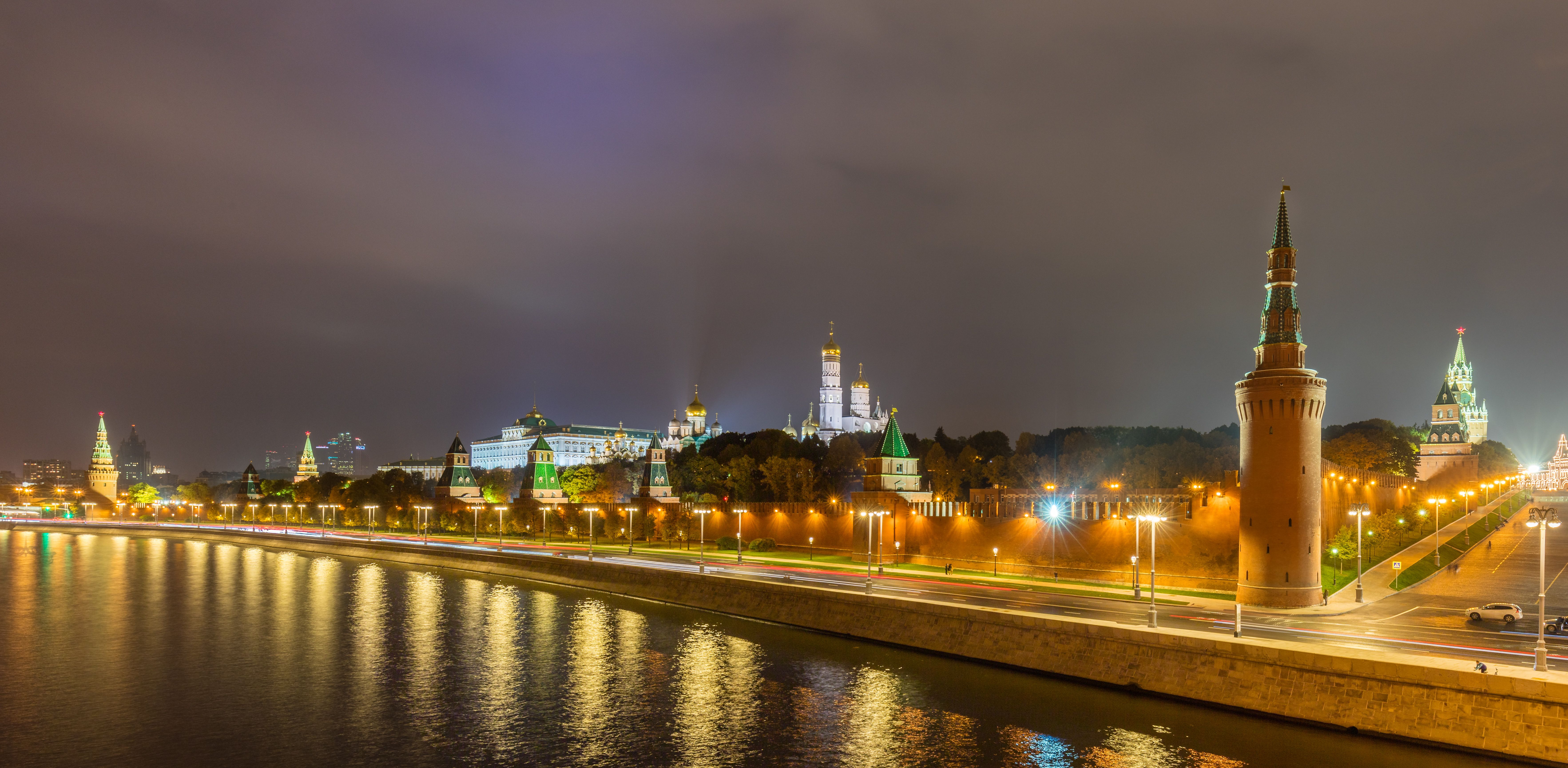
Russia

China

Philippines

Ukraine
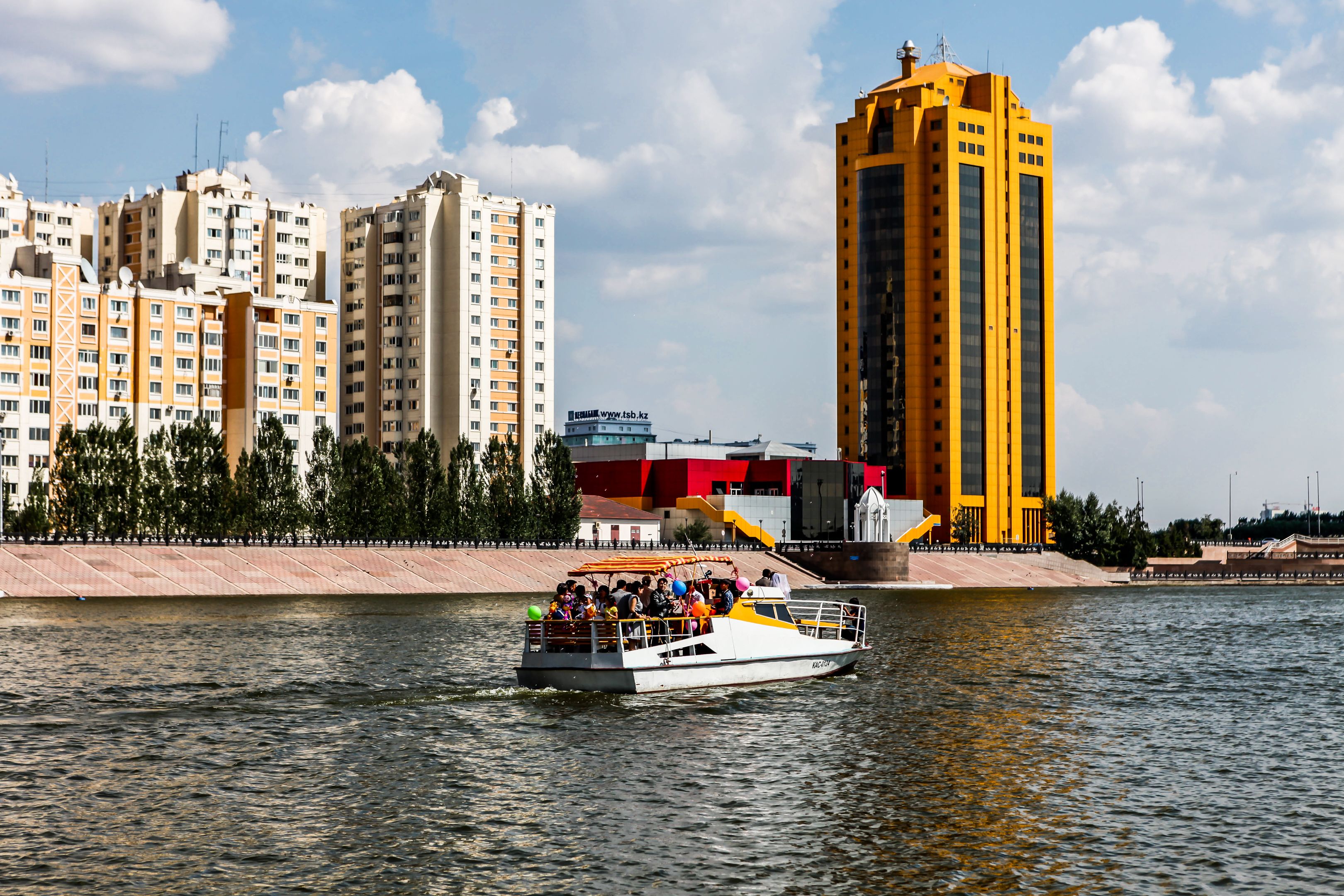
Kazakhstan

Georgia
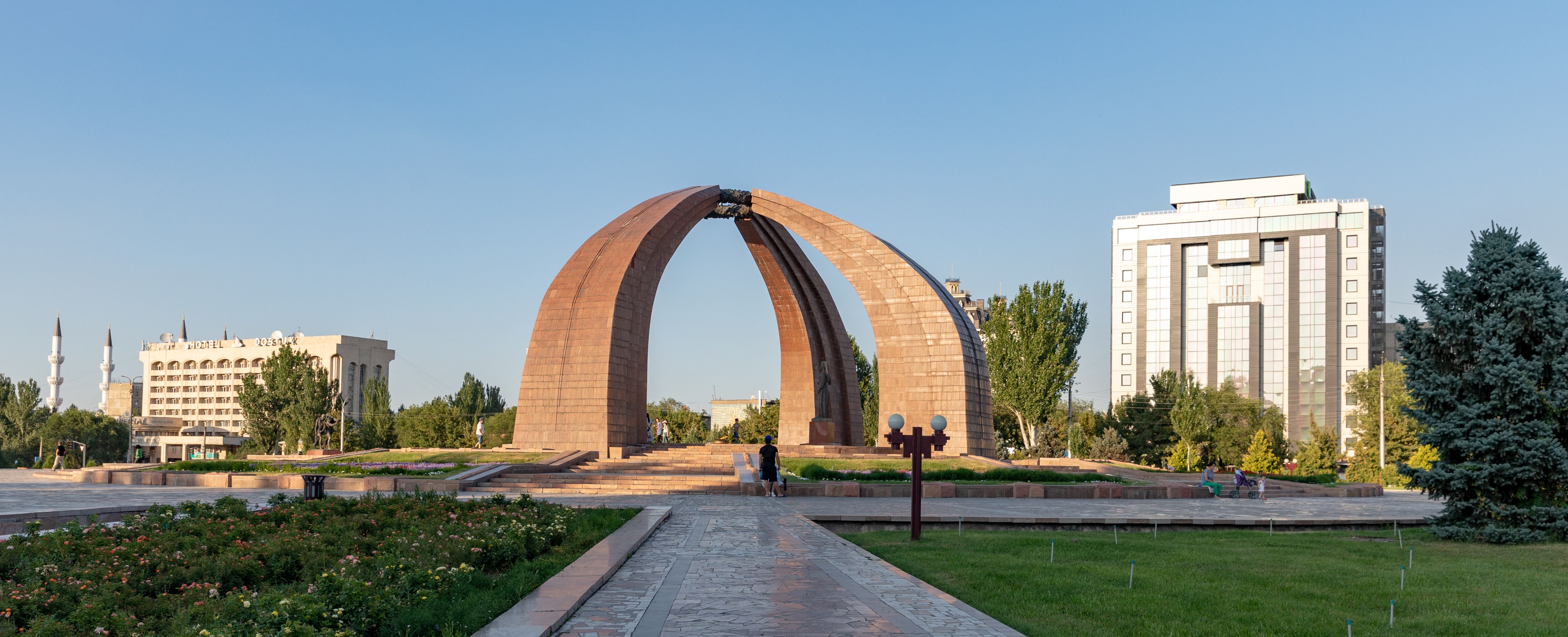
Kyrgyzstan
What to compare before choosing
The factors that actually matter for your decision
FMGE pass rate
The national average is ~20%. Top Russian universities reach 40-67%. Georgian universities average 30-50%. Check NMC data for specific institutions.
Total 6-year cost
Russia: ₹20-30L. Georgia: ₹25-35L. Kazakhstan: ₹12-18L. Philippines: ₹22-32L. Includes tuition, hostel, food, and travel.
Language of instruction
Most universities teach in English. Russian and Kazakh universities may require a local language course in year 1 for clinical rotations.
How to Choose the Right Country for MBBS Abroad
"Which country is best for MBBS abroad?" is the most common question Indian families ask — and the honest answer is that it depends entirely on your priorities. A student optimising for the lowest cost will land on a different country than one optimising for FMGE pass rate or a US residency pathway. The comparison tool above lets you weigh destinations against each other; this section explains what each factor actually means for your decision.
1. Total cost, not just tuition
Compare the full six-year outlay — tuition plus hostel, food, flights, insurance and visa renewals. Kazakhstan and Kyrgyzstan are usually the most economical (~₹12–18L total); Russia, Georgia and the Philippines typically run ₹20–35L. A low first-year fee can hide higher living or later-year costs, so always look at the lifetime number.
2. FMGE / NExT track record
If you plan to practise in India, the university's FMGE pass rate is the single most important data point — and it varies far more by university than by country. Use the country average to shortlist, then drill into specific universities. A strong university inside an average country beats an average university inside a "top" one.
3. Language of instruction & clinical exposure
Confirm the programme is taught fully in English and that clinical rotations don't depend on a local language you don't speak. Hands-on hospital time is what builds the applied knowledge FMGE and your future career reward.
4. NMC recognition & FMG eligibility
Only an NMC-approved university whose course meets the FMG eligibility rules (required course duration, internship and English-medium instruction) will let you practise in India. Verify current recognition before applying — recognition can change.
5. Climate, safety & lifestyle fit
Six years is a long time. Consider winters (Russia, Kazakhstan and Kyrgyzstan get genuinely cold), the Indian student community, food availability and overall safety — practical factors that shape day-to-day life as much as the academics.
Once you've shortlisted two or three countries, line them up in the tool above and book a free counselling session to match them against your NEET score and budget.